
We’re in a stretch of rainy weather. This could prove very useful for plant growth, as it is the time of year when we want the foliage to get nice and big so there is lots of leaf mass to photosynthesize and support their future harvestable crop like peppers, cucumbers, squash, tomatoes, onions and eggplant. A downside of continual rain and irregular sun is increased possibility of diseases. A well known example of that is late blight, which thrives in continued wet weather, and the spores spread via storms passing through the region. Thankfully we have no evidence of late blight in the field, we are simply wired to consider what possible effects various weather may have on the crops.
The beets are doing well and will be ready soon, shortly after that the first young, tender carrots. The fluctuating heat and cold have been challenging for the peas. The crop will be small and we treat it as a specialty item. The amount per share will be limited, we’ll assess the crop and keep you posted.
With the crazy wet weather yesterday, we are welcoming folks to the gardens again this coming Saturday, 9am-noon activities in the field, with a potluck to follow. Many hands make light work. Other good garden times this week are Wednesday 9am-1pm and 5:30-7:00pm
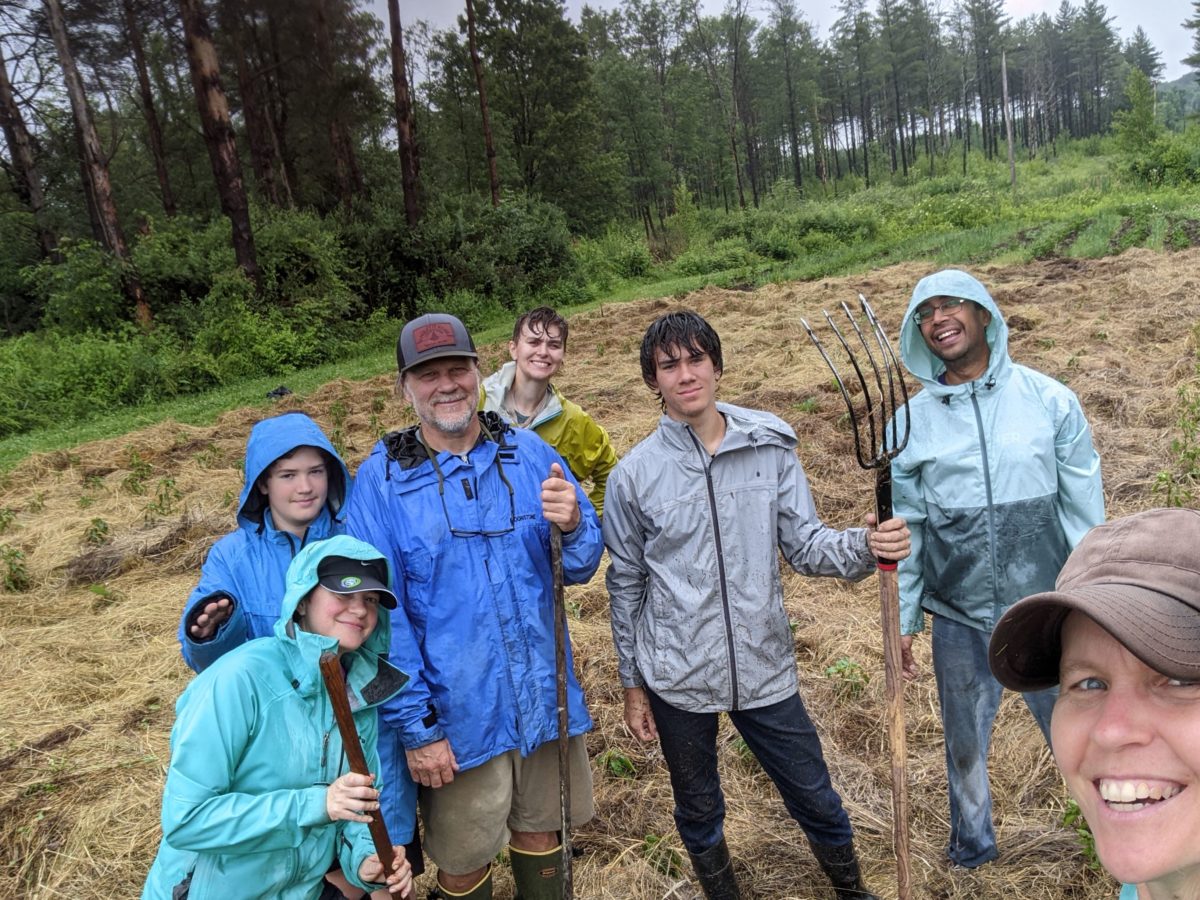
Power crew! The rain didn’t dampen our spirits yesterday- we mulched the flower and herb beds plus the peppers, tomatoes and eggplant. Our love of mulch stems from the great job it does suppressing weeds, holding moisture in the soil, reducing soil splatter on crops and slowly breaking down to add organic matter to the soil.
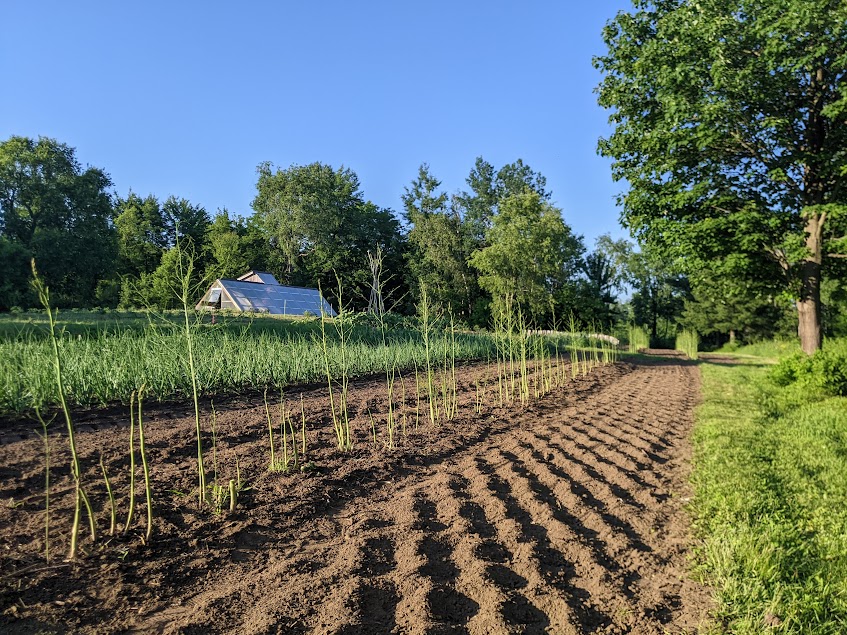
Asparagus is a tricky crop to manage organically. A well maintained bed can produce for a couple of decades, but it needs to be tended before, during and after the short harvest period. Grass and weeds are persistent problems with this perennial crop. At littleGrasse, we plant fast growing annuals such as greens in the adjacent beds to maximize bed space. After harvesting that food crop, we turn it over to a cover crop of buckwheat once the asparagus harvest is over for the season, typically mid to late June. The bare ground in the photo was planted to buckwheat before this weeks showers. The buckwheat will suppress weeds and offer an oasis for pollinators. A big thank you to apprentice Charlie Brown (who has summer internship via St. Lawrence University) for doing such a great job managing the weeding and harvest this season.
Tips & Flavor Notes
- Here’s the week to embrace garlic scapes. We snap them from each of the 6,000+ hardneck garlic plants to encourage bigger bulbs. Alot can be used all at once by making a garlic scape pesto, it was fun this week to coat in oil, and toss on the grill for a few minutes until softened and slightly charred. Have at it, they freeze well.
- Contact us for harvest assistance at 315-854-5395.
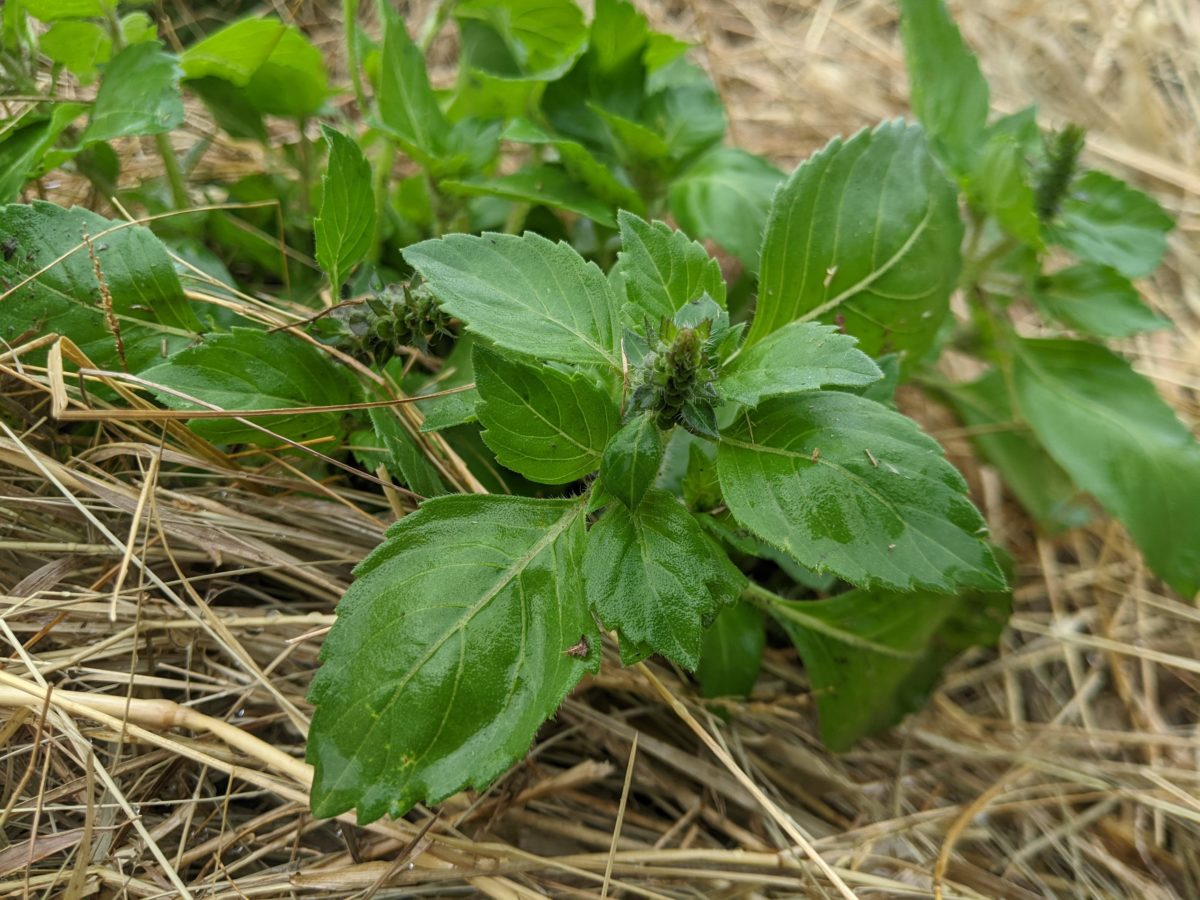
Our friend Rajiv spends time in the gardens a couples times a week. He is a wealth of good energy and his family has a deep connection to plants and preparing healthful foods. We have a patch of the herb tulsi holy basil in the field. Rajiv has known the plant his whole life, so we asked him if he could share with the group a bit about this powerful plant.
Tulsi, meaning ‘the incomparable one’, is a plant revered in Hinduism and considered the elixir of life in Ayurveda. Tulsi is considered a goddess and a mother and is celebrated in folklore, festivals, songs, art and rituals. Tulsi is an integral part of every household – food offerings become sacred only when tulsi leaves are placed on them. Like a mother, Tulsi protects from ailments and disease and nourishes the body, mind and soul.
Bob is wowed by how good he feels in the stretches when enjoying it s a daily tea. Learn more here: https://www.ncbi.nlm.nih.gov/pmc/articles/PMC4296439/.
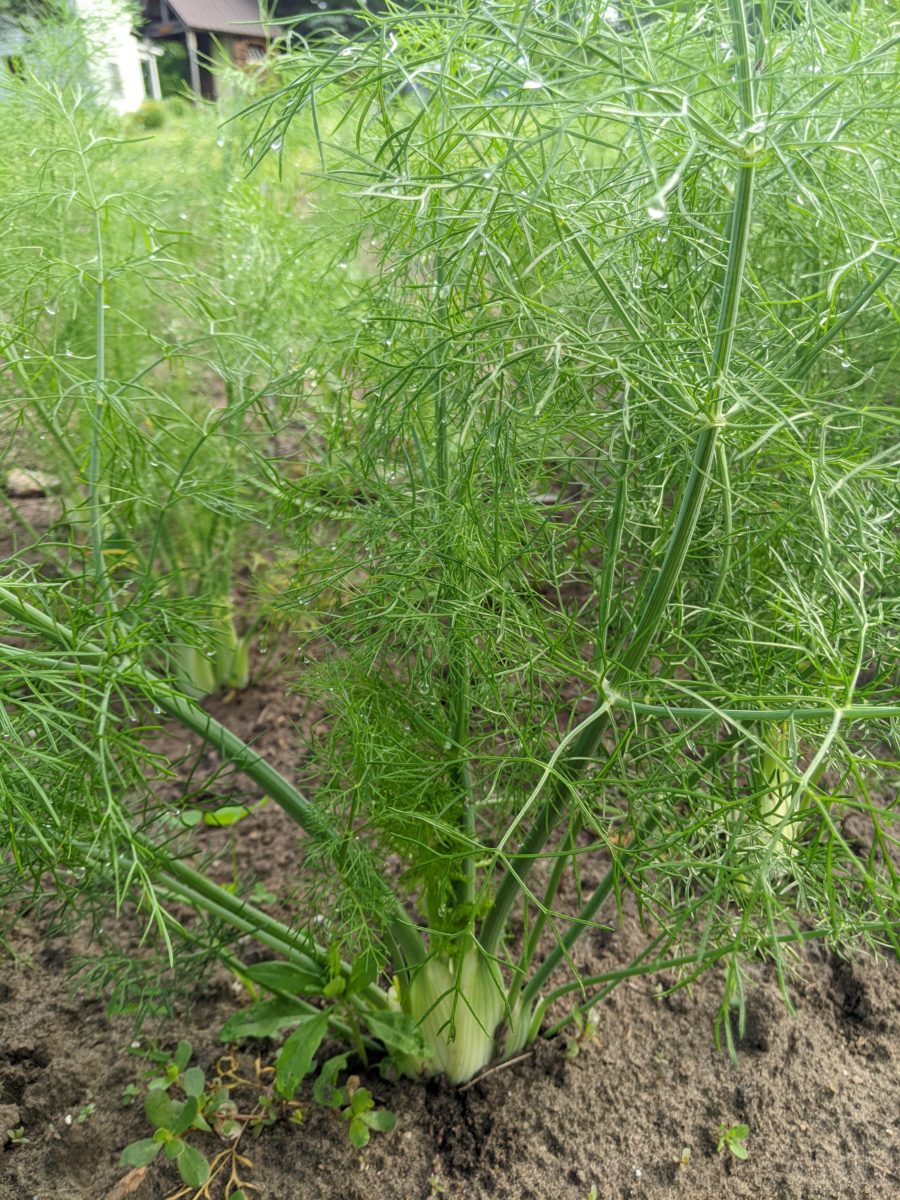
Cut the bulb of the fennel plant a couple inches BELOW the soil. The root is thick and needs to be done with a knife. Choose the largest plants and the remainder will continue to grow. The leaves/fronds make a unique pesto and other popular ways to use the bulb include thinly sliced into salads, for quick pickles or roasted.
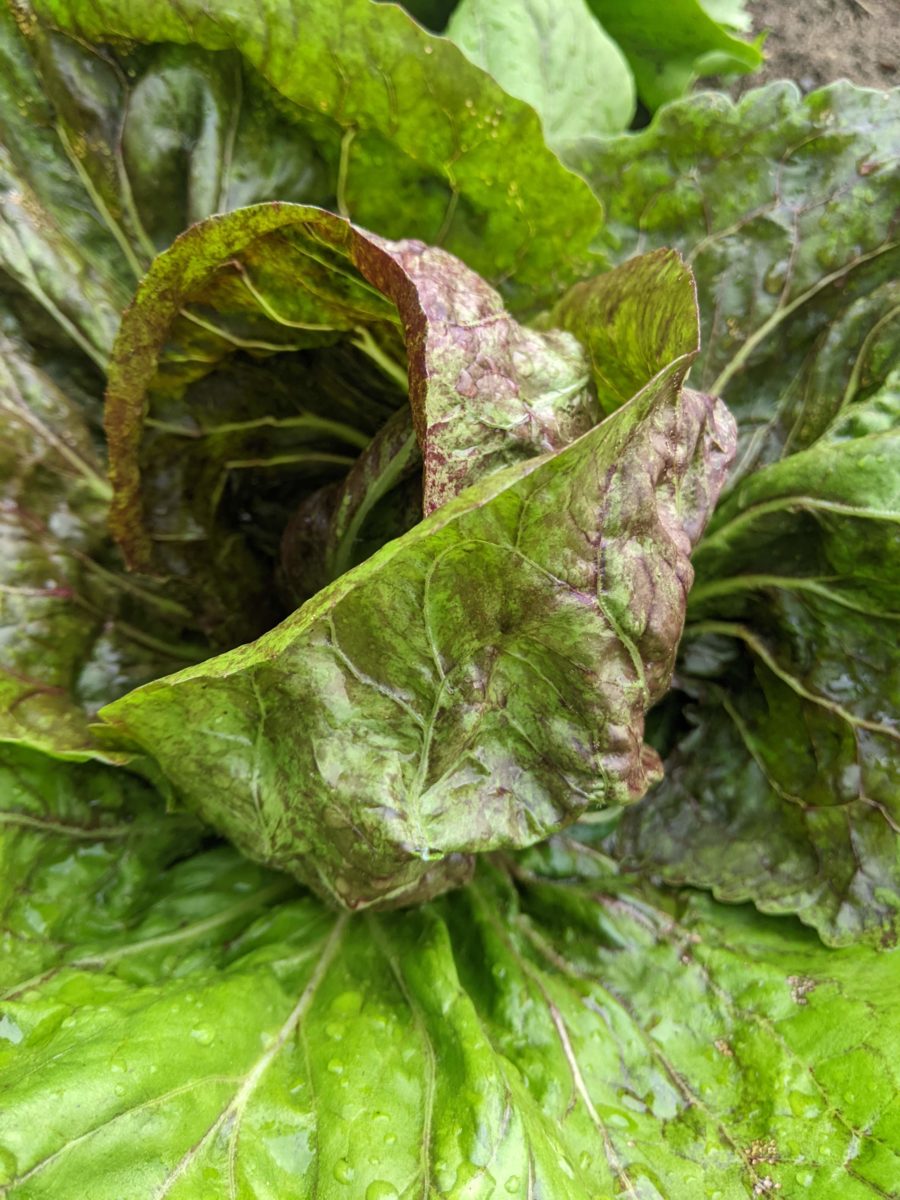
Here is our first crop of radicchio ever so let us know if you enjoy this Italian bitter green in the chicory family. It’s a luxury at metro area markets for it’s curled leaves with fabulous purple streaks. Cut the entire head at soil level and use raw or cooked.
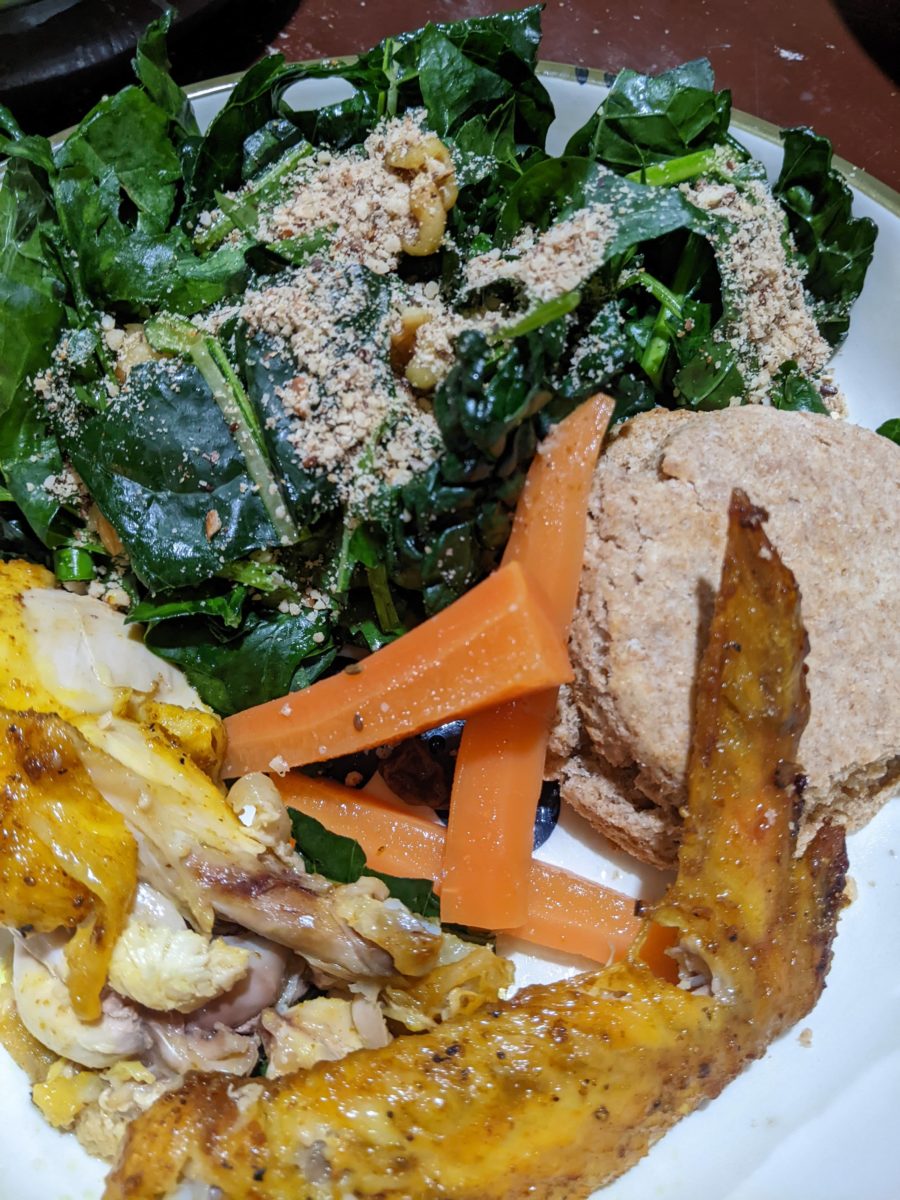
Massaged kale salad and fresh biscuit with some goodies from last season including pickled carrots and roasted chicken.
Crops Available
This list and availability are subject to change, check the share whiteboard at the start of every visit. If you are unsure about how to harvest: ask us! In person, via text or email.
Cell phone numbers, Flip: 315-854-5399 and Bob 315-854-5395.
*Asterisk marks crops added this week
- Arugula
- Bulb fennel
- Chard
- Garlic scapes*
- Green garlic
- Head lettuce
- Kale
- Lettuce greens
- Radicchio*
- Rhubarb
- Scallions
- Spinach
Culinary and Medicinal Herbs
- Anise hyssop*
- Bronze leaf fennel
- Cilantro
- Dill*
- Lemon balm
- Mint*
- Oregano
- Parsley*
- Tulsi holy basil*
Wander some trails, it’s wild strawberry season!
-Flip and Bob