
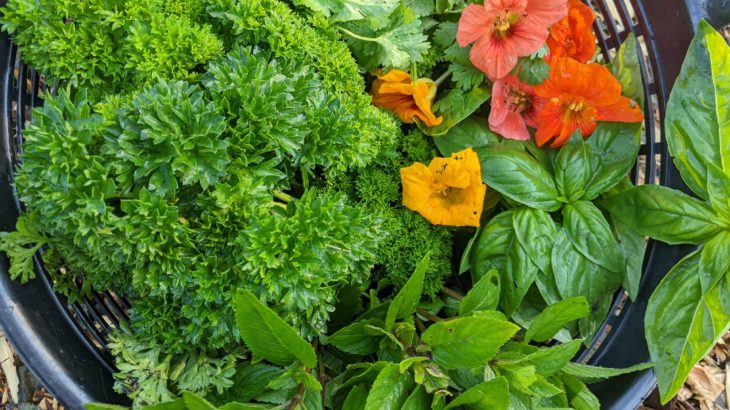
It was a hot week, and we spent time weeding. This gives our food plants an advantage as the disturbed weeds wither in the sun. It’s also the first step before mulching, which we tackled this weekend. Crops coming soon: beets, summer squash, zucchini
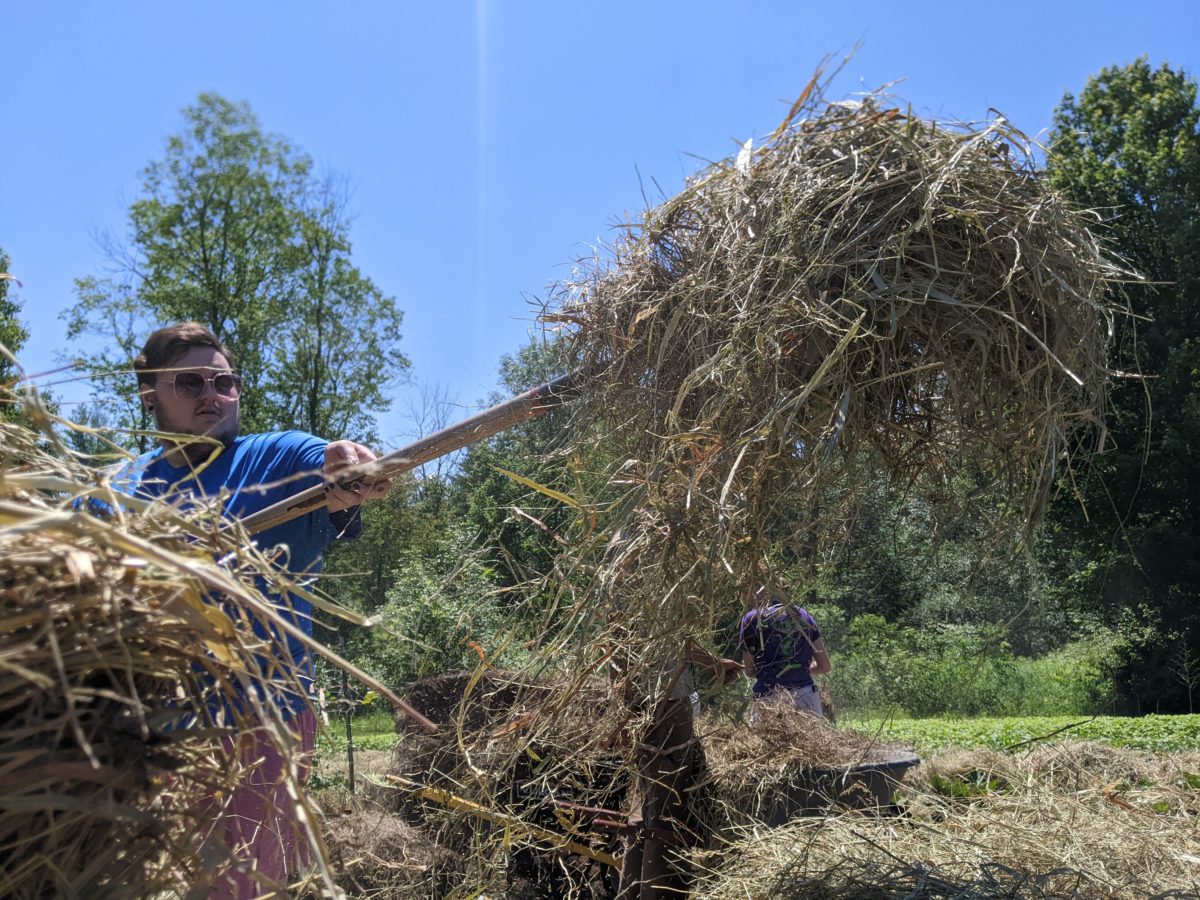
The garden morning this past Saturday was a mulch fest. The group pitched in to cover all the soil in the sweet peppers, cherry tomatoes, eggplant, okra, and groundcherries. The work of mulching pays off for the rest of the season with nearly eliminating weeding, reduced watering and adding organic matter to the soil. After the action, we sat in the shade to enjoy sun tea, beans, hearty cold salads, fresh breads, popcorn, and strawberries served three ways!
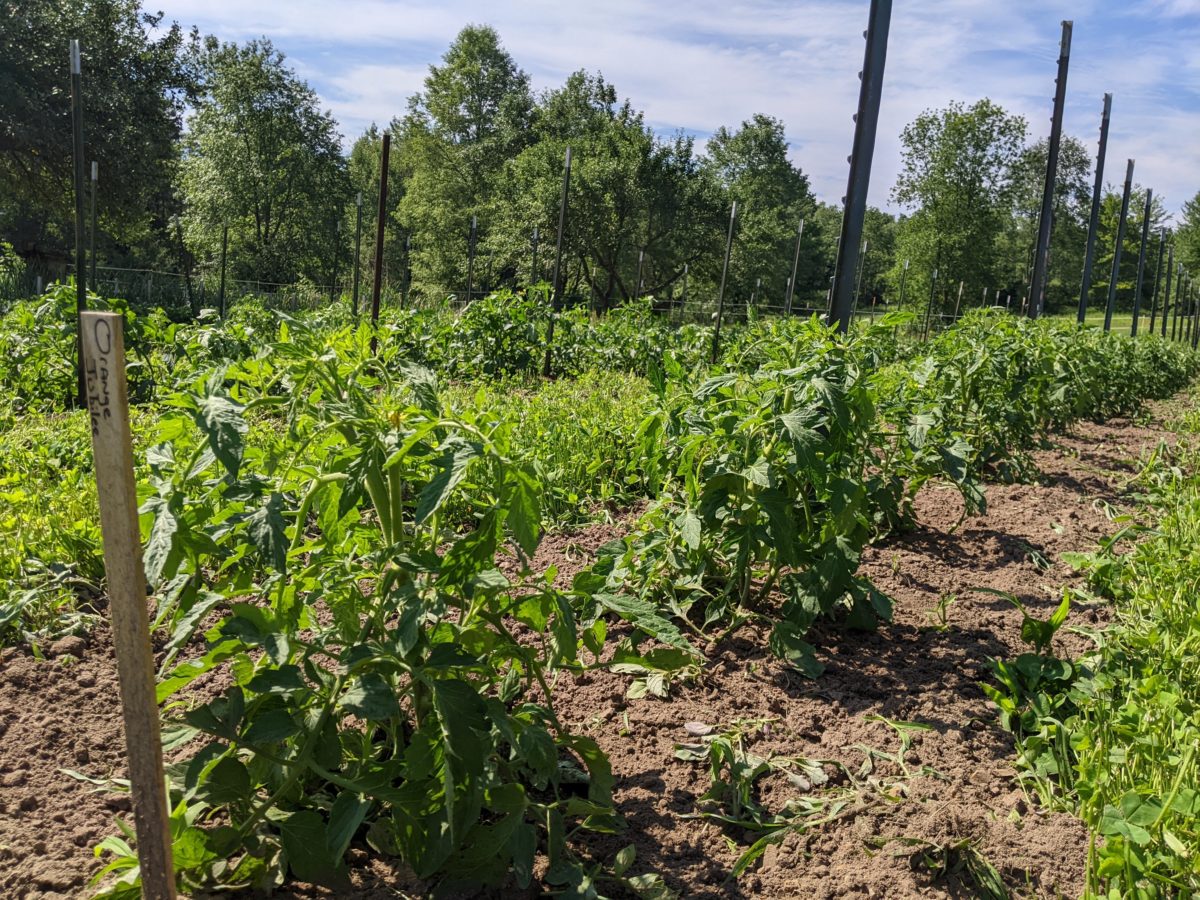
We pounded the metal T posts for all the slicing, paste and plum tomatoes. It’s the first step to trellising these vigorous growers. The plants are in Dutchess field and looking very healthy.
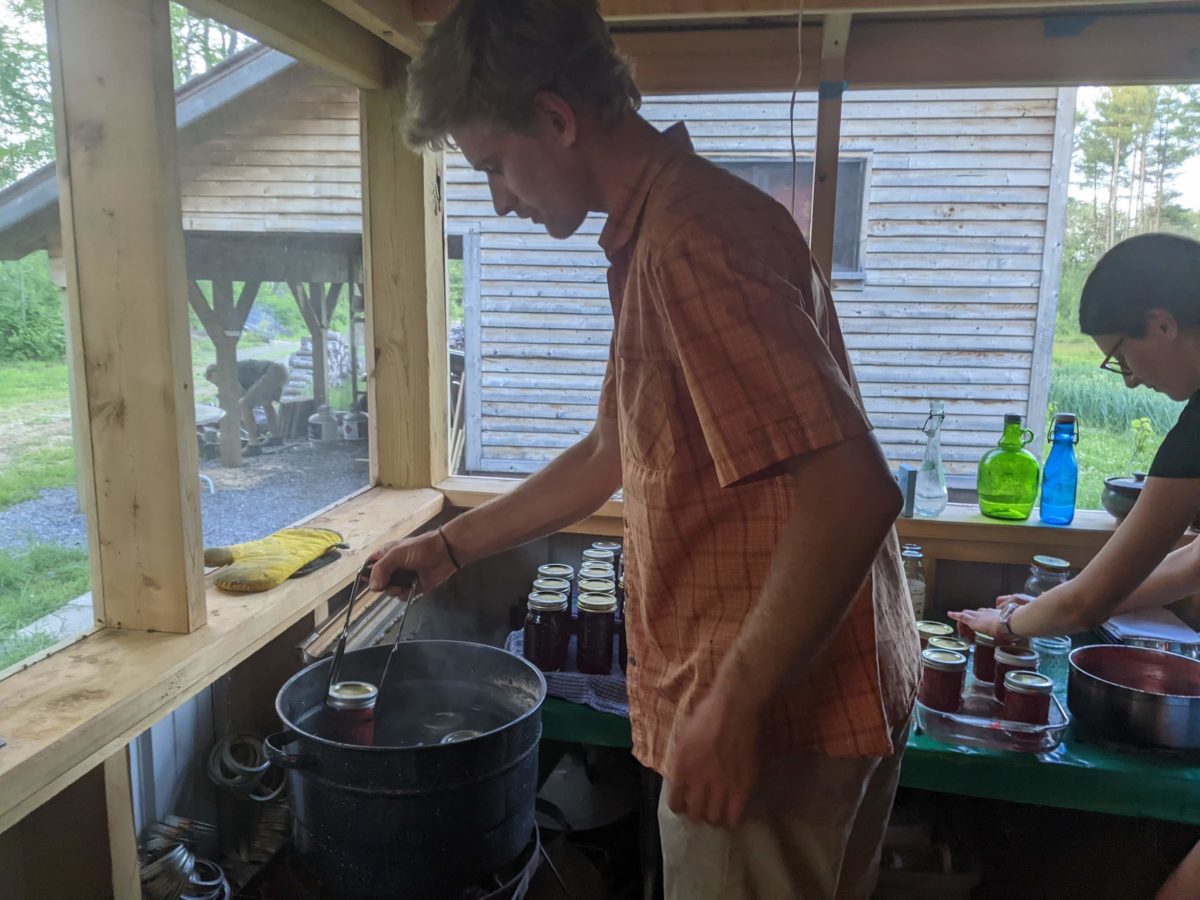
Our preservation season has begun! We captured summer in a jar this week with Honeyed Strawberry Ginger Jam and Triple Berry Preserves.
Tips for Success
- Keep your young children with you when you are at the farm. Point out where the aisles for walking are and where the beds with plants (not for walking) are.
- In hot weather, it’s best to wash your greens immediately in ample cold water. Spin all the excess moisture off before putting in the refrigerator. For other tips on greens, check out our video from last season
- Folks are encouraged to bring their kitchen scraps to the farm. You can include meat and dairy, but refrain from including “compostable” containers, utensils and bags.
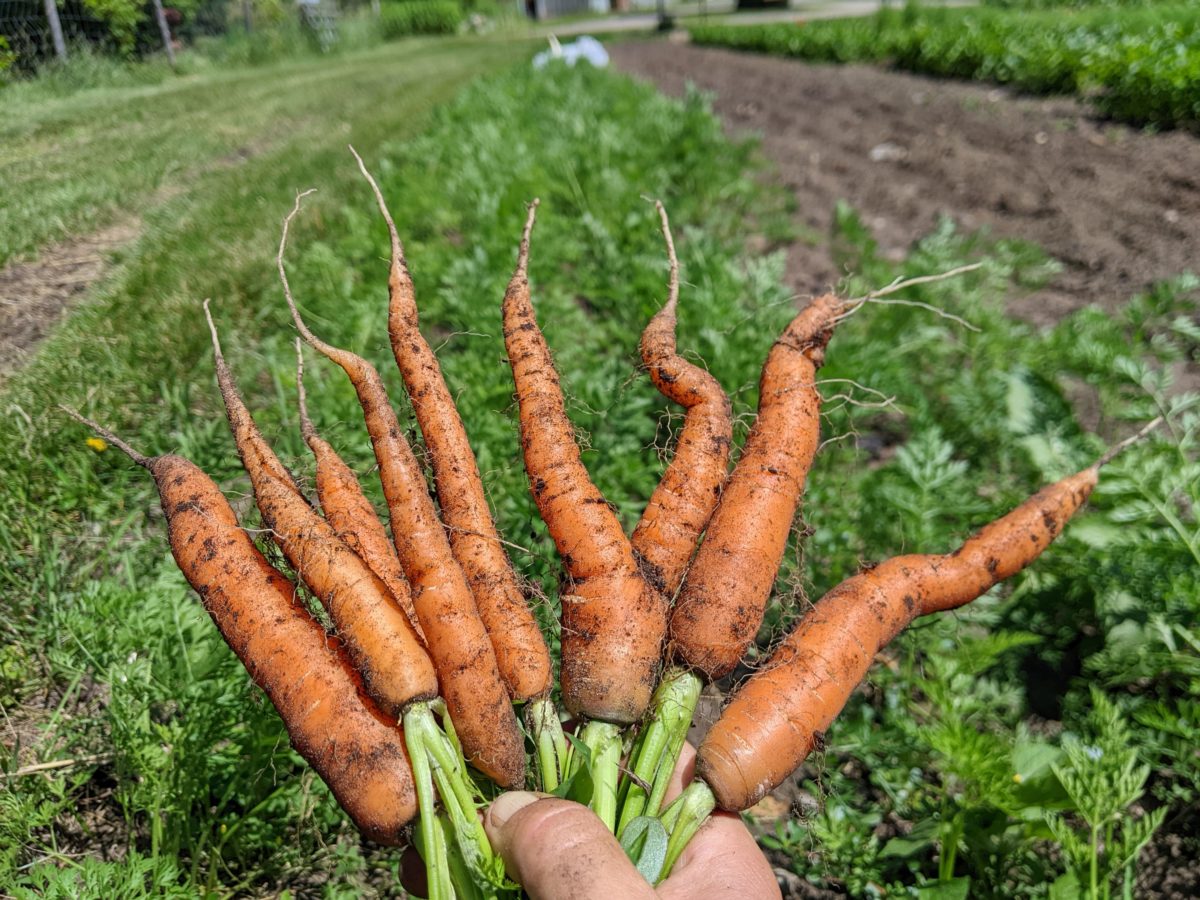
Plant Spotlight: As with many crops, there’s actually much diversity in carrots. In addition to color-ranging from the classic orange, to red, yellow, purple and white- they also vary in size, shape, flavor and storage capacity. The types include Danvers, Nantes, and Chantenay with each type including hundreds of varieties. Carrots can take anywhere from 55-85 days to mature. They take a long time to emerge after seeding (up to 3 weeks) and require consistent moisture, wedding and thinning to produce a quality crop. Usually the ones around 55 days are smaller but what they lack in size they make up for in flavor. At littleGrasse, we grow these short season carrots first so we get a crop quickly, and then move to the more substantial varieties. We will have mostly orange carrots this season, but also plant a lesser amount of the rest of the rainbow.
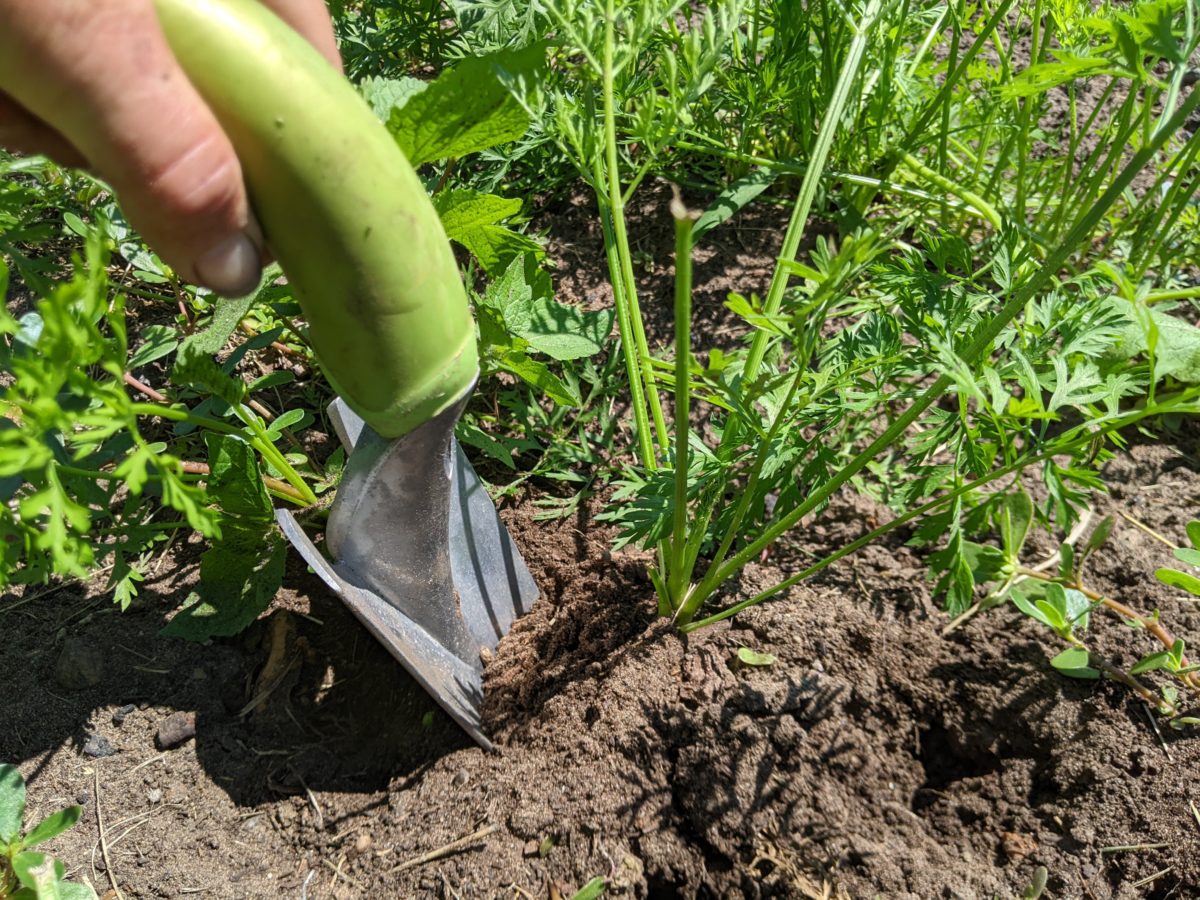
There is a trowel in the field, use to dig these slender pencil carrots. They are an early season variety called Mokum, that has an excellent flavor and is delicate in size and shape. The later season carrots we grow will be larger with broader shoulders. When you visit, harvest ll the carrots in a section to meet your limit (8 carrots per share) rather than selecting the biggest carrots throughout the bed. Some will be smaller than others, but all will be delicious. This planting will probably last a week or so and then we’ll have carrots again in mid-July.
Crops Available
Cell phone numbers, Flip: 315-854-5399 and Bob 315-854-5395.
*Asterisk marks crops added this week
- Beets greens
- Carrots*
- Garlic scapes
- Green garlic (immature garlic, entire plant is edible)
- Head lettuce
- Kale
- Lettuce greens
- Rainbow chard, also called Swiss chard
- Rhubarb
- Spinach
- Anise hyssop
- Basil
- Bronze leaf fennel
- Chamomile
- Dill greens*
- Lemon Balm
- Mint
- Oregano
- Parsley
- Rosemary
- Sage*
- Sorrel
- Tarragon
- Thyme
- Winter Savory
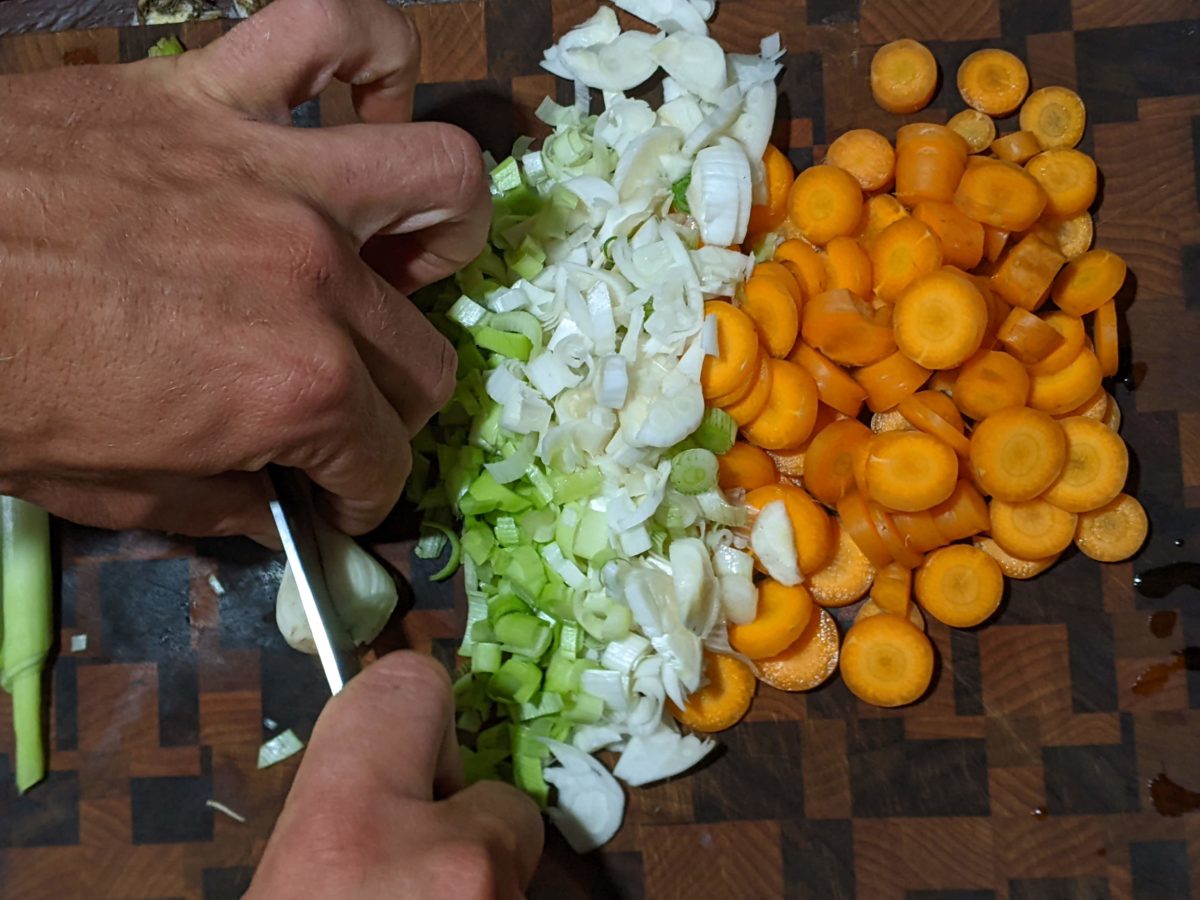
A fabulous homemade chicken soup emerged from our kitchen this week. After enjoying a roasted chicken dinner, we simmered the carcass for a rick stock. To that we added a pile of sauteed green onions, carrots and egg noodles.